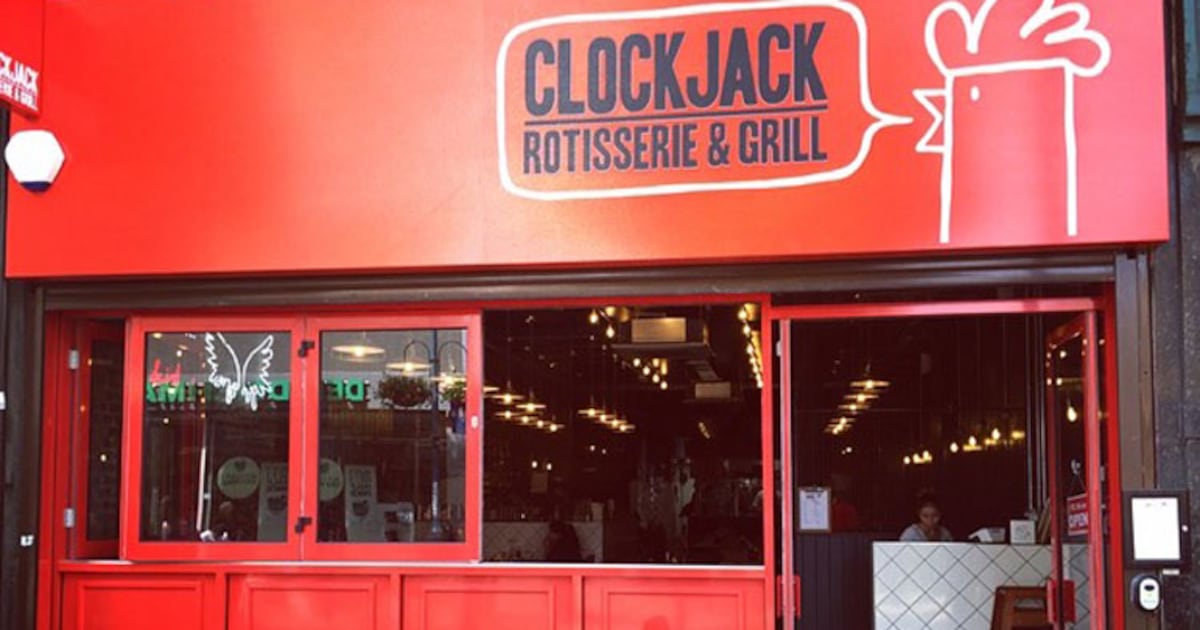
Rent Hikes Deliver Final Blow: Clockjack Chicken Joins the List of Liquidated Restaurants
The culinary landscape is notoriously challenging, a truth brought into sharp focus by the recent liquidation of Clockjack, the innovative rotisserie chicken restaurant group. Once a promising fixture in London's vibrant dining scene, Clockjack's journey from popular brick-and-mortar eateries to a delivery-only concept ultimately ended with its formal liquidation. The primary culprit? Astounding and unsustainable rent increases, a common antagonist for many hospitality businesses struggling to stay afloat.
This case serves as a poignant reminder of the relentless pressures facing restaurants today, from soaring operational costs to evolving consumer habits. It also underscores the critical, albeit often somber, role of specialized firms like Henderson Restaurant Group Liquidators, who step in when even the most creative pivots can no longer save a business from the inevitable. Understanding the intricacies of Clockjack's downfall offers valuable lessons for aspiring restaurateurs and seasoned industry veterans alike.
Clockjack Chicken's Trajectory: From High Street to High Stakes Liquidation
Clockjack initially made a name for itself with its rotisserie chicken concept, establishing popular London locations in high-traffic areas such as Botolph Alley near Monument, Denman Street in Soho, and Powis Street in Woolwich. Led by seasoned industry figure Jerry Goldberg, the brand aimed to carve out a niche in a competitive market.
However, the economic realities of operating in prime London locations soon began to bite. The specific reference to "shocking rent increases" in Soho highlights a widespread issue where landlords’ demands outpace a restaurant's ability to generate sufficient revenue. These escalating costs often force businesses into difficult decisions, including drastic operational shifts or, as in Clockjack's case, eventual closure.
In an attempt to adapt and survive, Goldberg pivoted the brand towards a delivery-only model. This strategy aimed to shed the overheads associated with physical premises, focusing solely on the kitchen and logistics of food delivery. While the delivery-only model has proven successful for many concepts, it too comes with its own set of challenges, including intense competition, reliance on third-party delivery platforms, and the constant need for efficient kitchen operations and marketing.
Despite this strategic pivot, the financial pressures proved too great. Earlier this year, two key entities within the group – Clockjack Deliveries Ltd and Clockjack Investments Ltd – formally entered liquidation. The process was handled by Hudson Wier, underscoring the legal and financial complexities involved when a business can no longer meet its obligations. For a deeper dive into the specifics of this closure, you can read more at Clockjack Chicken Restaurant Group Liquidated and explore the challenges faced by such pivots in Delivery-Only Pivot Fails: Clockjack Group Liquidated.
The Critical Role of Liquidators: Navigating Restaurant Closures with Henderson Restaurant Group Liquidators
The liquidation of a restaurant group like Clockjack isn't merely an ending; it's a complex legal and financial process designed to manage the closure in an orderly fashion. This is where specialist firms, often referred to as restaurant liquidators, become indispensable. While Hudson Wier handled Clockjack's specific liquidation, the services provided by firms such as Henderson Restaurant Group Liquidators are crucial for the broader industry.
A firm like Henderson Restaurant Group Liquidators specializes in guiding distressed restaurant businesses through insolvency. Their role encompasses several critical functions:
- Asset Realization: They are responsible for identifying, valuing, and selling the company's assets, which can range from kitchen equipment and furniture to intellectual property and remaining inventory. The goal is to maximize returns for creditors.
- Creditor Management: Liquidators manage the claims of various creditors, including landlords, suppliers, employees, and financial institutions, ensuring that funds are distributed according to legal priorities.
- Legal Compliance: They ensure that all aspects of the liquidation process adhere to corporate law and insolvency regulations, minimizing legal risks for directors and stakeholders.
- Investigation: In some cases, liquidators may investigate the company's financial dealings leading up to insolvency to identify any potential misconduct or preferential payments.
For restaurant owners facing insurmountable challenges like escalating rent or declining revenues, engaging with liquidators or insolvency practitioners proactively can sometimes lead to better outcomes than delaying the inevitable. These experts can offer impartial advice on restructuring options, pre-pack administrations, or, if necessary, an orderly liquidation, helping to protect the interests of all parties involved and ensuring a compliant exit from the market. The case of Clockjack highlights that even with a strong concept and an experienced leader, external pressures can necessitate such expert intervention.
Beyond the Fryer: Jerry Goldberg's Continued Ventures and Lessons Learned
While Clockjack's story ended in liquidation, its leader, Jerry Goldberg, exemplifies the resilience and entrepreneurial spirit often found in the hospitality industry. Goldberg remains a director of The Ripe Banana Co, a dessert brand that was previously offered in combination with Clockjack for delivery and is still available on platforms like Uber Eats. This continuation showcases a strategic diversification, focusing on a niche product that thrives within the very delivery ecosystem that Clockjack attempted to master.
Furthermore, Goldberg is also a director of Figaro Partners, a leisure consultancy he runs with Martin Robinson, a non-executive director of Casual Dining Group and former chairman of Wagamama. This venture leverages their extensive experience in the leisure and hospitality sectors, offering strategic advice to other businesses. Goldberg's background, including roles at Center Parcs and LA Fitness, further solidifies his expertise across various facets of the leisure industry.
Goldberg's ongoing involvement in the sector, despite the Clockjack liquidation, offers a valuable lesson: failure in one venture does not necessarily mean the end of an entrepreneurial career. Instead, it can provide crucial insights and drive new innovations or consultancy opportunities, helping others avoid similar pitfalls.
Practical Insights for Restaurant Owners in a Volatile Market
Clockjack's story is a stark reminder of the volatility in the restaurant industry. Here are some actionable insights for restaurant owners:
- Proactive Rent Negotiation: Don't wait until rent becomes a crisis. Regularly review lease agreements, engage in early negotiations, and explore clauses for rent review mechanisms. Consider shorter lease terms or performance-based rent structures where possible.
- Diversification and Hybrid Models: While delivery-only pivots can be risky, integrating delivery services into a broader strategy can be beneficial. Explore hybrid models that combine dine-in, takeaway, catering, and even retail sales of proprietary products.
- Robust Financial Forecasting: Maintain meticulous financial records and engage in aggressive financial forecasting. Understand your break-even points, monitor cash flow rigorously, and have contingency plans for various economic scenarios.
- Build a Strong Advisory Network: Surround yourself with experts – accountants, legal counsel, and business consultants. Their advice can be invaluable when navigating challenges or considering major strategic shifts. Knowing when to consult with specialists like Henderson Restaurant Group Liquidators or other insolvency practitioners can be the difference between a messy closure and an orderly process.
- Understand Market Trends, But Don't Blindly Follow: The shift to delivery was a significant trend, but it's not a panacea. Evaluate how trends fit your specific brand, target market, and operational capabilities before making drastic changes.
- Focus on Unique Value Proposition: In a crowded market, clearly define what makes your restaurant special. Clockjack's rotisserie chicken was a strong concept; continually reinforce and adapt your unique selling points.
The liquidation of Clockjack chicken due to overwhelming rent hikes serves as a sobering example of the precarious nature of the restaurant business. It underscores the constant need for adaptability, sound financial management, and, at times, the difficult decision to engage with professionals like Henderson Restaurant Group Liquidators to manage an orderly closure. While the end of Clockjack's operational journey is regrettable, the lessons learned from its struggles and its founder's resilience continue to provide valuable insights for the entire hospitality industry.