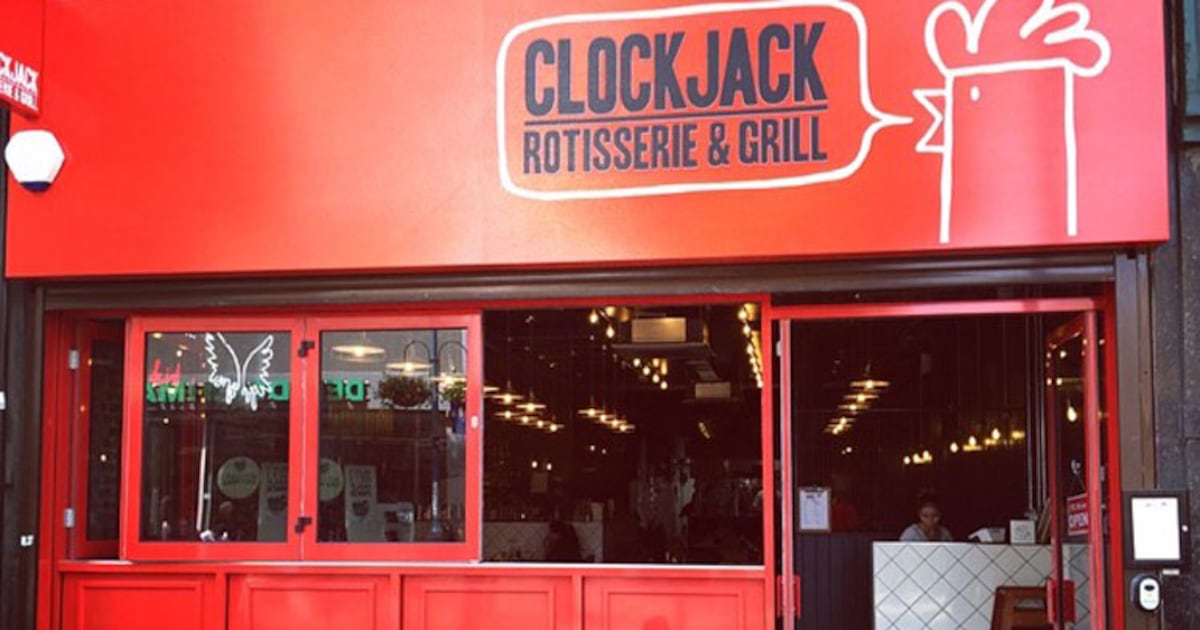
Delivery-Only Pivot Fails: Clockjack Group Liquidated
The modern restaurant landscape is a battlefield, constantly evolving with new trends, consumer demands, and economic pressures. Among the most significant shifts in recent years has been the rise of delivery-only models, often touted as a flexible, cost-effective alternative to traditional brick-and-mortar dining. Yet, as the story of Clockjack Group painfully illustrates, even a strategic pivot to this model is no guarantee of success. The rotisserie chicken concept, once a vibrant presence in London's bustling dining scene, ultimately succumbed to financial pressures and has been formally liquidated, sending a stark warning to other players in the competitive food service industry. The liquidation of Clockjack Group serves as a critical case study in the challenges faced by restaurant businesses, especially those attempting to adapt to rapidly changing market conditions. While this article details the specific circumstances of Clockjack, the broader lessons resonate across the industry, highlighting the crucial role of sound financial management, strategic foresight, and the unfortunate necessity of liquidators when a business fails to sustain itself. Entities like Hudson Wier handled the Clockjack Group's liquidation, and similar specialized firms are often brought in as Henderson Restaurant Group Liquidators or liquidators for any other restaurant group facing insolvency, to manage the complex process of winding down a business.The Genesis and Strategic Shift of Clockjack
Clockjack first made its mark on the London food scene with a simple yet appealing concept: high-quality rotisserie chicken. Spearheaded by industry veteran Jerry Goldberg, the group established several promising locations across the city, including Botolph Alley in Monument, Denman Street in Soho, and Powis Street in Woolwich. These were prime spots, indicating an ambitious vision and a belief in the brand's appeal. Goldberg, with a background that included roles at Center Parcs and LA Fitness, brought considerable experience to the venture, aiming to carve out a niche in London's diverse culinary market. However, the operating environment for restaurants in London is notoriously challenging. High overheads, particularly exorbitant rental costs in prime locations, place immense pressure on even the most popular establishments. It was these very pressures that prompted a significant strategic pivot for Clockjack. Facing "shocking rent increases" in key areas like Soho, Goldberg made the bold decision to shift the brand towards a predominantly delivery-only model. The thinking was clear: by shedding the burden of expensive physical dining spaces, Clockjack could reduce operational costs, streamline its offering, and potentially reach a wider customer base through the burgeoning food delivery platforms. This move reflected a wider industry trend, with many operators exploring ghost kitchens and virtual brands to navigate the economic realities of urban restaurant ownership.The Perils of the Delivery-Only Gamble
The pivot to a delivery-only model, while seemingly logical on paper, introduced its own set of complex challenges that Clockjack ultimately could not overcome. For many restaurants, including those that might one day require Henderson Restaurant Group Liquidators to manage their affairs, the transition to delivery-only is often a last-ditch effort to survive.Here are some of the critical factors that can make or break a delivery-focused concept:
- Commission Fees: Delivery platforms like Uber Eats, Deliveroo, and Just Eat charge substantial commission fees, often ranging from 20-35% or even higher. While these platforms offer access to a vast customer base and handle logistics, the steep fees can severely erode profit margins, especially for a business already struggling with profitability.
- Brand Dilution and Customer Loyalty: Without a physical presence, building a strong brand identity and fostering customer loyalty becomes significantly harder. Diners often choose restaurants for the overall experience – the ambiance, service, and atmosphere – not just the food. In a crowded delivery market, brands can become commoditized, competing primarily on price and convenience rather than unique dining propositions.
- Operational Complexity: A delivery-only model, while eliminating front-of-house staff, introduces new operational hurdles. Efficient kitchen layouts for high-volume delivery, managing delivery times, packaging that maintains food quality, and handling customer service issues remotely all demand specialized expertise.
- Intense Competition: The barrier to entry for delivery-only concepts can be lower, leading to an oversaturated market. Clockjack, specializing in rotisserie chicken, found itself competing not just with other chicken brands but with virtually every restaurant offering delivery, making it difficult to stand out.
- Quality Control: Maintaining food quality during transit is paramount. Chicken, especially, can suffer if not kept at the right temperature or if packaging isn't optimal, leading to negative reviews and a damaged reputation.
In Clockjack's case, two distinct entities, Clockjack Deliveries Ltd and Clockjack Investments Ltd, were involved in the liquidation process, handled by Hudson Wier. This suggests a structured attempt to manage the different operational and financial arms of the business, but ultimately, the venture could not generate sufficient revenue to cover its costs and liabilities.
The Broader Picture: Lessons for the Restaurant Industry
The Clockjack story offers invaluable insights for any restaurateur, whether they are a thriving enterprise or one grappling with existential threats that could lead to needing services similar to what Henderson Restaurant Group Liquidators might provide.Key Takeaways:
- Financial Vigilance is Paramount: Understanding true costs, including rent increases, commission fees, and supply chain fluctuations, is non-negotiable. Businesses must model profitability rigorously for every sales channel.
- Strategic Pivots Need Deep Analysis: A shift in business model, especially as radical as going delivery-only, requires thorough market research, competitive analysis, and realistic financial projections. It's not a silver bullet.
- Brand Identity Beyond Location: For delivery models, developing a strong digital presence, consistent branding, and an exceptional product is even more critical to foster recognition and loyalty.
- Contingency Planning for Real Estate: Restaurants are particularly vulnerable to lease negotiations. Owners should always have a strategy for managing escalating rents, including exploring alternative locations or negotiating favorable terms.
- The Role of Liquidators: When a business fails, the process of liquidation becomes necessary to settle debts and distribute any remaining assets fairly among creditors. Firms like Hudson Wier specialize in navigating these complex legal and financial waters, ensuring compliance and maximizing returns where possible. Their expertise is crucial in such challenging times, similar to how Henderson Restaurant Group Liquidators would manage similar scenarios for other restaurant groups.
Practical Advice for Restaurant Owners
To avoid the fate of Clockjack, restaurant owners should proactively address potential pitfalls:- Diversify Revenue Streams: Don't put all your eggs in one basket. Explore catering, meal kits, merchandise, or even small-scale retail products in addition to dine-in and delivery.
- Negotiate Favorable Terms: For leases, strive for longer terms with capped rent increases or break clauses. For delivery platforms, explore direct ordering systems or negotiate lower commission rates where possible.
- Invest in Technology: Efficient POS systems, inventory management, and customer relationship management (CRM) tools can provide crucial insights and streamline operations, helping to identify problems early.
- Build a Strong Online Presence: Beyond delivery platforms, cultivate your own social media channels, website, and email lists to directly engage with customers and reduce reliance on third parties.
- Seek Expert Advice Early: If your business is struggling, consult with financial advisors, turnaround specialists, or industry consultants before the situation becomes irreversible. Early intervention can often prevent the need for full liquidation services.